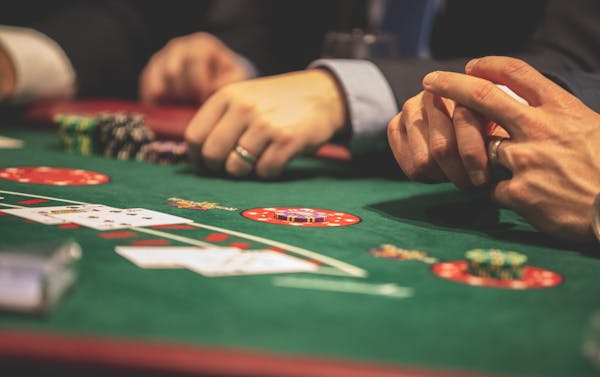
Exploring how cultural values shape gambling practices around the world
The Role of Culture in Gambling Preferences
Cultural values play a significant role in shaping gambling practices across different societies. In some cultures, gambling is seen as a form of entertainment and social interaction, while in others, it is viewed with skepticism or outright disapproval. For instance, in many Western cultures, casinos and gaming houses are popular and socially accepted, often being integrated into leisure activities. Conversely, in parts of Asia, traditional views may regard gambling as a vice, leading to more restrictive practices. Online platforms, such as the Lizaro New Zealand casino, reflect these evolving views and offer various games for all types of players.

The way individuals engage with gambling often reflects broader societal norms. In cultures where community ties are strong, communal gambling activities such as lottery pools or social betting might prevail. In contrast, individualistic societies may see a rise in personal gambling endeavors, emphasizing personal achievement and financial independence.
Different cultures have developed unique forms of gambling that are often intertwined with their historical and social narratives. For example, the game of Pai Gow, originating from China, combines elements of strategy and luck and is deeply rooted in cultural heritage. Similarly, in many Native American cultures, games like chance and skill are not just about winning money; they also play a significant role in community bonding and rituals.
The Influence of Religion on Gambling
The Impact of Economic Factors